A Literature Review on Integrating Enterprise Resource Planning and Supply Chain Management
DOI:
https://doi.org/10.5281/zenodo.14842711Keywords:
Enterprise Resource Planning, Supply Chain Management, Integration of ERP, SCMAbstract
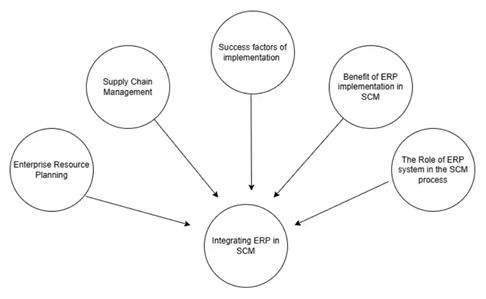
The Integration of Enterprise Resource Planning (ERP) with Supply Chain Management (SCM) is the key to enhancing the effectiveness and efficiency of supply chains in today's business environment. This paper explores the large body of research into the implementation of ERP systems within SCM and their related functions. It emphasizes the role that ERP plays in achieving operational efficiency and performance enhancement across supply chains. It indicates that the adoption of ERP solutions enhances business performance significantly, which includes better management of production processes, optimum management of inventories, and proper decision-making by enhancing data sharing. This research intends to conduct a systematic review of existing literature on ERP technologies in SCM, answering two primary sub-research questions: the implementation of ERP systems in SCM and the integration between these systems within supply chain processes. The research will be able to analyze numerous scholarly articles in order to identify trends, benefits, and challenges associated with ERP implementation in SCM. This will be invaluable insight for organizations contemplating the adoption of ERP, providing them with knowledge that will enhance their supply chain performance. Finally, this paper contributes to a deeper understanding of how ERP transforms SCM practices and drives competitiveness in an increasingly digitalized industrial landscape.
Downloads
References
Paksoy, T. Cigdem, G. K., & Sadia, S. A. (2021). LOGISTIC 4.0: Digital transformation of supply chain management. Boca Raton. Florida: Taylor & Francis Group, LLC.
Handoko, B. L., Aryanto, R., & So, I. G. (2015). The impact of enterprise resources system and supply chain practices on competitive advantage and firm performance: Case of Indonesian companies. Procedia Computer Science, 72, 122-128. http://dx.doi.org/10.1016/j.procs.2015.12.112
Acar, M.F., Zaim, S., Isik, M., & Calisir, F. (2017). Relationships among ERP, supply chain orientation and operational performance: An analysis of structural equation modeling. Benchmarking: An International Journal, 24(5), 1291-1308. https://doi.org/10.1108/BIJ-11-2015-0116
Trivedi, S., Negi, S., & Anand, N. (2018). ERP solution for effective supply chain of micro, small and medium-sized enterproses: A case study of customized ERP solution development and deployment for MSMEs in the Haryana state of India. International Journal Business Innovation and Research, 17(4), 516-535. DOI: 10.1504/IJBIR.2018.10017181
Koh, S. C. L., Ganesh, K., Pratik, V., & Anbuudayasankar, S. P. (2014). Impact of ERP implementation on supply chain performance. International Journal and Quality Management, 14(2), 196-227. DOI: 10.1504/IJPQM.2014.064476
Sawahir, M., & Roshan, M., (2021). Effectiveness of Enterprise Resource Planning (ERP) in supply chain management on quick service restaurant in Ryadh. Global Scientific Journals, 9(3), 145-160.
Surung, J. S., Bayupati, I. P. A., & Putri, G. A. A. (2020), The implementation Of ERP in supply chain management on conventional woven fabric business. Information Engineering and Electronic Business, 2020(3), 8-18. DOI: 10.5815/ijieeb.2020.03.02
Linda, M. R., Thabrani, G., Suhery, Yonita, R., Ravelby, T. A., Pujani, V., & Hasan, A. (2022). Organizational performance: The role of enterprise resource planning and supply chain management. AFEBI Management & Business Review, 7(1), 47-58. https://doi.org/10.47312/ambr.v7i01.558
Ince, H., Imamoglu, S. Z., Keskin. H., Akgun, A., & Efe, M. N. (2013). The impact of ERP systems and supply chain management practices on firm performance: Case of Turkish Companies. Procedia-Social and Behavorial Sciences, 99, 1124-1133. https://doi.org/10.1016/j.sbspro.2013.10.586
Amadi-Echendu, A.P. (2023).Using enterprise resource planning systems to manage property processes. South African Journal of Information Management, 25(1), 1607. https://doi.org/10.4102/sajim.v25i1.1607
Oghazi, P. (2009). Supply chain management: An empirical study on Swedish manufacturing firms’ enterprise systems adoption, supply chain integration, competition capability and performance. Doctoral Dissertation, Luleå Tekniska Universitet.
Tsai, W.H., Fan, Y.W., Leu, J.D., Chou, L.W., & Yang, C.C. (2007). The relationship between implementation variables and performance improvement of ERP systems. International Journal of Technology Management, 38(4), 350-373.
Izzati, A. N., & Najwa, N. F. (2018). Pengaruh stakeholder perspective dalam penerapan ERP: A systematic literature review. J. Teknol. Inf. dan Ilmu Komput, 5(1), 41.
Linda, M. R., Thabrani, G., Suhery, Yonita, R., Ravelby, T. A., Pujani, V., & Hasan, A. (2022). Organizational performance: the role of enterprise resource planning and supply chain management. AFEBI Management & Business Review, 7(1), 47-58. https://doi.org/10.47312/ambr.v7i01.558
Tarigan, Z. J. H., Siagian, H., & Jie, F. (2021). Impact of enhanced Enterprise Resource Planning (ERP) on firm performance through green supply chain management. Sustainability, 13(8), 4358. https://doi.org/10.3390/su13084358
Cuandra, F., Rudiyanto, Junita, Theo, S., Ardiansyah, R., Tjoa, K., Darvin, & Jessy. (2022). Analysis of ERP system implementation and supply chain in PT Indofood CBP Sukses Makmur. Journal of Management, Accounting, General Finance, and International Economic Issues (MARGINAL), 1(3), 67-76. https://doi.org/10.55047/marginal.v1i3.193
Surung, J. S., Bayupati, I. P. A., & Putri, G. A. A. (2020). The implementation of ERP in supply chain management on conventional woven fabric business. Information Engineering and Electronic Business, 2020(3), 8-18. DOI: 10.5815/ijieeb.2020.03.02
Hugos, M. H. (2024). Essentials of supply chain management. Fifth Edition, John & Wiley Sons: New Jersey Ince, H., Imamoglu, S. Z., Keskin. H., Akgun, A. and Efe, M. N., 2013, The impact of ERP systems and supply chain management practices on firm performance: Case of Turkish companies. Procedia-Social and Behavorial Sciences, 99, pp. 1124-1133. https://doi.org/10.1016/j.sbspro.2013.10.586
Koh, S. C. L., Ganesh, K., Pratik, V., & Anbuudayasankar, S. P. (2014). Impact of ERP implementation on supply chain performance. International Journal and Quality Management, 14(2), 196-227. DOI: 10.1504/IJPQM.2014.064476
Almahamid, S., & Hourani, A. (2015). An empirical study on the impacts of ERP system, e-business technologies and organizational collaboration on supply chain agility: PLS perspective. International Journal Advanced Operations Management, 7(3), 229-253. DOI: 10.1504/IJAOM.2015.074210
Acar, M.F., Zaim, S., Isik, M., & Calisir, F. (2017). Relationships among ERP, supply chain orientation and operational performance: An analysis of structural equation modeling. Benchmarking: An International Journal, 24(5), 1291-1308. https://doi.org/10.1108/BIJ-11-2015-0116
Li, Y., Wu, F., Zong, W., & Li, B. (2017). Supply chain collaboration for ERP implementation: An inter-organizational knowledge sharing perspective. International Journal of Operations & Production Management, 37(10), 1327-1347. https://doi.org/10.1108/IJOPM-12-2015-0732
Alawamleh, M., Ismail, L. B., & Mazzawi, R. (2018). Value chain and supply chain: Which is more impacted by ERP systems?. International Journal Services and Operation Management, 30(5), 405-418. DOI: 10.1504/IJSOM.2018.093510
Trivedi, S., Negi, S., & Anand, N. (2018). ERP solution for effective supply chain of micro, small and medium-sized enterproses: A case study of customized ERP solution development and deployment for MSMEs in the Haryana state of India. International Journal Business Innovation and Research, 17(4), 516-535. DOI: 10.1504/IJBIR.2018.10017181
Khan U., Asim M., & Manzoor S. (2020). Improving supply chain management of a distribution firm using ERP System. European Journal of Business and Management Research, 5(2), 1-10. http://dx.doi.org/10.24018/ejbmr.2020.5.2.248
Koh, S. C. L., Ganesh, K., Pratik, V., & Anbuudayasankar, S. P. (2014). Impact of ERP implementation on supply chain performance. International Journal and Quality Management, 14(2), 196-227. DOI: 10.1504/IJPQM.2014.064476
Handoko, B. L., Aryanto, R., & So, I. G. (2015). The impact of enterprise resources system and supply chain practices on competitive advantage and firm performance: Case of Indonesian companies. Procedia Computer Science, 72, 122-128. http://dx.doi.org/10.1016/j.procs.2015.12.112
Pattanayak, S. K., Roy, S., & Satpathy, B. (2019). Does integration of business processes and ERP improves supply chain performance? Evidence from Indian capital goods industry. Vision-The Journal of Business Perspective, 23(5), 341-356. https://doi.org/10.1177/0972262919862902
Ince, H., Imamoglu, S. Z., Keskin. H., Akgun, A., & Efe, M. N. (2013). The impact of ERP systems and supply chain management practices on firm performance: Case of Turkish Companies. Procedia-Social and Behavorial Sciences, 99, 1124-1133. https://doi.org/10.1016/j.sbspro.2013.10.586
Srinivasan, M., & Dey, A. (2013). Linking ERP and e-Business to a framework of an integrated e-Supply chain. Progress in IS in: Francisco J. Martínez-López (ed.), Handbook of Strategic e-Business Management, edition 127, pp. 281-305. DOI: 10.1007/978-3-642-39747- 9_13
Kandananond, K. (2014). a roadmap to green supply chain system through enterprise resource planning (ERP) implementation. Procedia Engineering, 69, 337-382. https://doi.org/10.1016/j.proeng.2014.03.002
Tarigan, Z. J. H., Siagian, H., & Jie, F. (2021). Impact of enhanced enterprise resource planning (ERP) on firm performance through green supply chain management. Sustainability, 13(8), 4358. https://doi.org/10.3390/su13084358
Pirmanta, Tarigan, Z. J. H., & Basana, S. R. (2021). The effect of ERP on firm performance through information quality and supply chain integration in Covid-19 era. Growing Science Academic, Scientific and Professional Journals, 9(3), 659-666. DOI: 10.5267/j.uscm.2021.5.004
Jenatabadi, H. S., Huang, H., Ismail, N. A., Satar, N. B. M., & Jasimah, C. W. (2013). Impact of supply chain management on the relationship between enterprise resource planning system and organizational performance. International Journal of Business and Management, 8(19), 107-121. http://dx.doi.org/10.5539/ijbm.v8n19p107
Lukyanova, I., Haddudm A., & Khare, A. (2022). Types of ERP systems and their impacts on the supply chains in the humanitarian and private sectors. Sustainability, 14(20), 13054. https://doi.org/10.3390/su142013054
Surung, J. S., Bayupati, I. P. A., * Putri, G. A. A. (2020). The implementation of ERP in supply chain management on conventional woven fabric business. Information Engineering and Electronic Business, 2020(3), 8-18. DOI: 10.5815/ijieeb.2020.03.02
Sawahir, M., & Roshan, M. (2021). Effectiveness of enterprise resource planning (ERP) in supply chain management on quick service restaurant in Ryadh. Global Scientific Journals, 9(3), 145-160.
Poranki, K. R., Perwej, Y., & Akhtar, N. (2015). Integration of SCM and ERP for competitive advantage. Research Journal of Science & IT Management, 4(5), 17-24.
Handoko, B. L., Aryanto, R., & So, I. G. (2015). The impact of enterprise resources system and supply chain practices on competitive advantage and firm performance: Case of Indonesian companies. Procedia Computer Science, 72, 122-128. http://dx.doi.org/10.1016/j.procs.2015.12.112
Srinivasan, M., & Dey, A. (2013). Linking ERP and e-business to a framework of an integrated e-supply chain. Progress in IS in: Francisco J. Martínez-López (ed.), Handbook of Strategic e-Business Management, edition 127, pp. 281-305. DOI: 10.1007/978-3-642-39747- 9_13
Published
How to Cite
Issue
Section
License
Copyright (c) 2025 Sree Martine T, Dr. Amudha R

This work is licensed under a Creative Commons Attribution 4.0 International License.
Research Articles in 'International Journal of Engineering and Management Research' are Open Access articles published under the Creative Commons CC BY License Creative Commons Attribution 4.0 International License http://creativecommons.org/licenses/by/4.0/. This license allows you to share – copy and redistribute the material in any medium or format. Adapt – remix, transform, and build upon the material for any purpose, even commercially.


